
by
Michael Miniotas and Will Brandt,
interns with Sustainable House
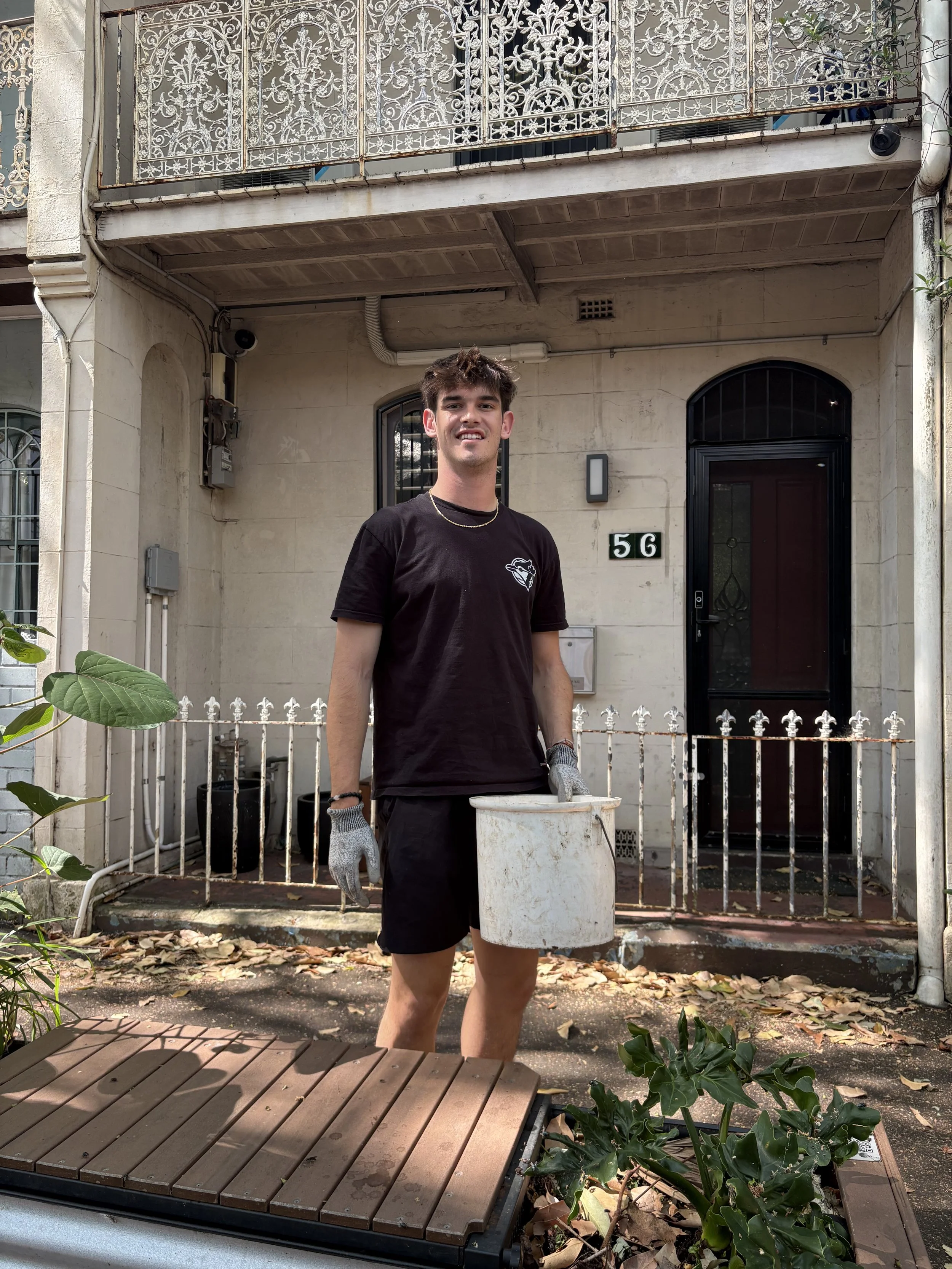
• Michael Miniotas harvesting compost from a coolseat
Michael Miniotas
My name is Michael Miniotas, and I’m a third-year student at Rollins College in Florida. I was born in London, Ontario, Canada, but grew up in Jacksonville, Florida. When I first received my internship with Michael, I was excited but unsure of what to expect. Coming from Florida, I had never really taken the time to understand the full impact that we, as humans, have on our environment.
Very quickly, Michael opened my eyes to just how harmful our actions can be, particularly through carbon emissions and the rising temperatures in urban areas. What I found especially inspiring was that Michael doesn’t just acknowledge these issues, but he actively develops practical solutions to address them. One example is the Coolseat, a simple and innovative design that helps reduce food waste and urban heat. It’s been incredible to see how these seats have already been implemented across Australia, making a real difference.
Coming from the United States, it’s been amazing to witness the sense of community and shared purpose Michael has built in his hometown of Chippendale. There’s a real commitment here to making Sydney more sustainable. This experience has given me a new perspective, one that I hope to take back home and use to make a difference in my own community as well.
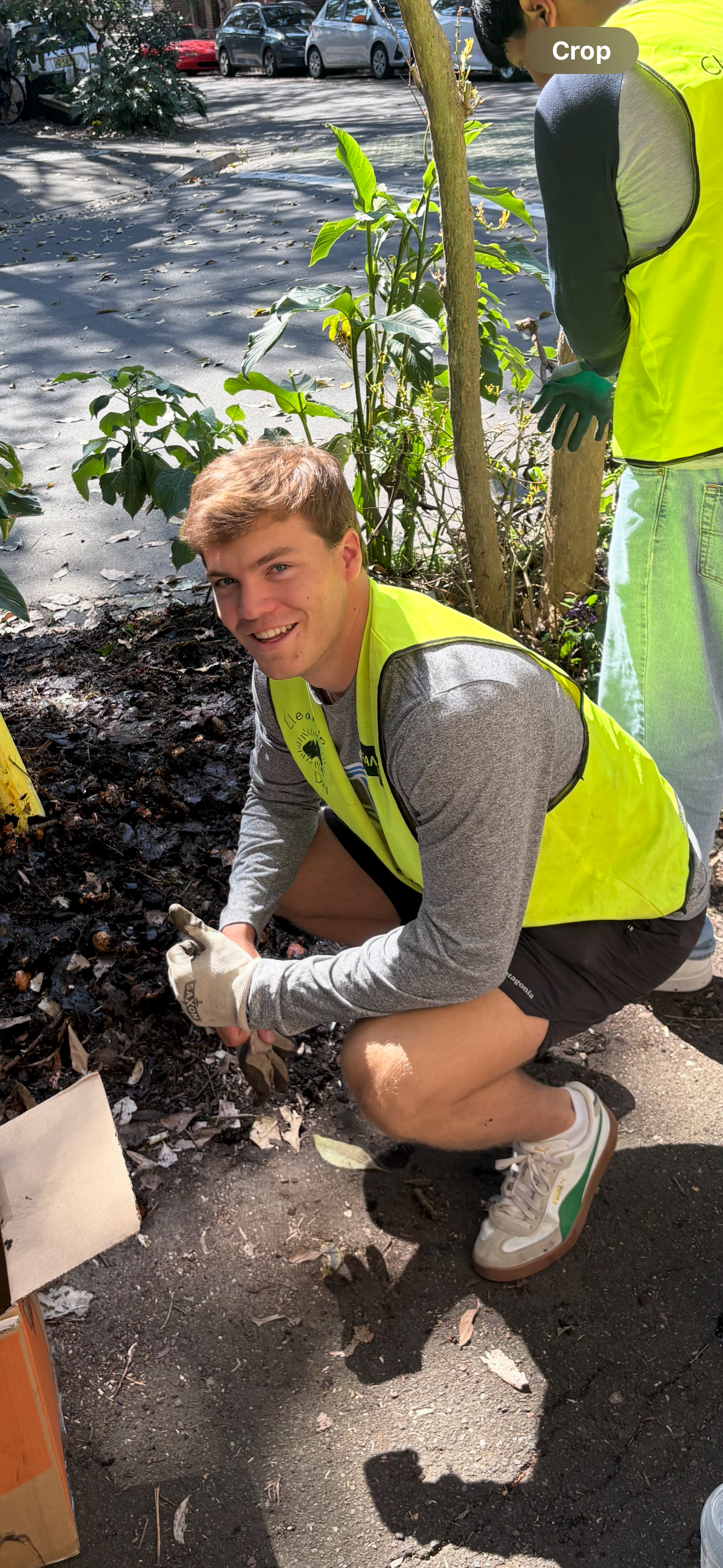
• Will Brandt gardening in the streets of Chippendale
Will Brandt
My name is Will Brandt, and I am a third-year student at Rollins College in Winter Park, Florida. I was born in Princeton, New Jersey and now live in Ridgewood, New Jersey. To be honest, I wasn’t entirely sure how I felt about the whole experience at first. The idea of living sustainably in the middle of Sydney’s Central Business District seemed difficult to imagine, and I questioned how practical it would really be. However, after my first week, I began to see just how possible and impactful this way of life can be. From learning how to compost food waste, to seeing how water and energy can be reused efficiently, and growing a cucumber bed. I have started to understand the small, but meaningful changes that individuals and communities can make to better support the environment. What initially felt uncertain has quickly turned into an eye-opening and valuable experience.
As part of our internship with Michael Mobbs, we’re growing Lebanese cucumbers and documenting their full life cycle from seed to harvest.
This project gives us a hands-on opportunity to learn about sustainable urban gardening and understand what it takes to grow food in a practical, environmentally friendly way.
Throughout this blog, we’ll share our progress, observations, and the challenges we face along the way as we watch our Lebanese cucumbers grow and thrive
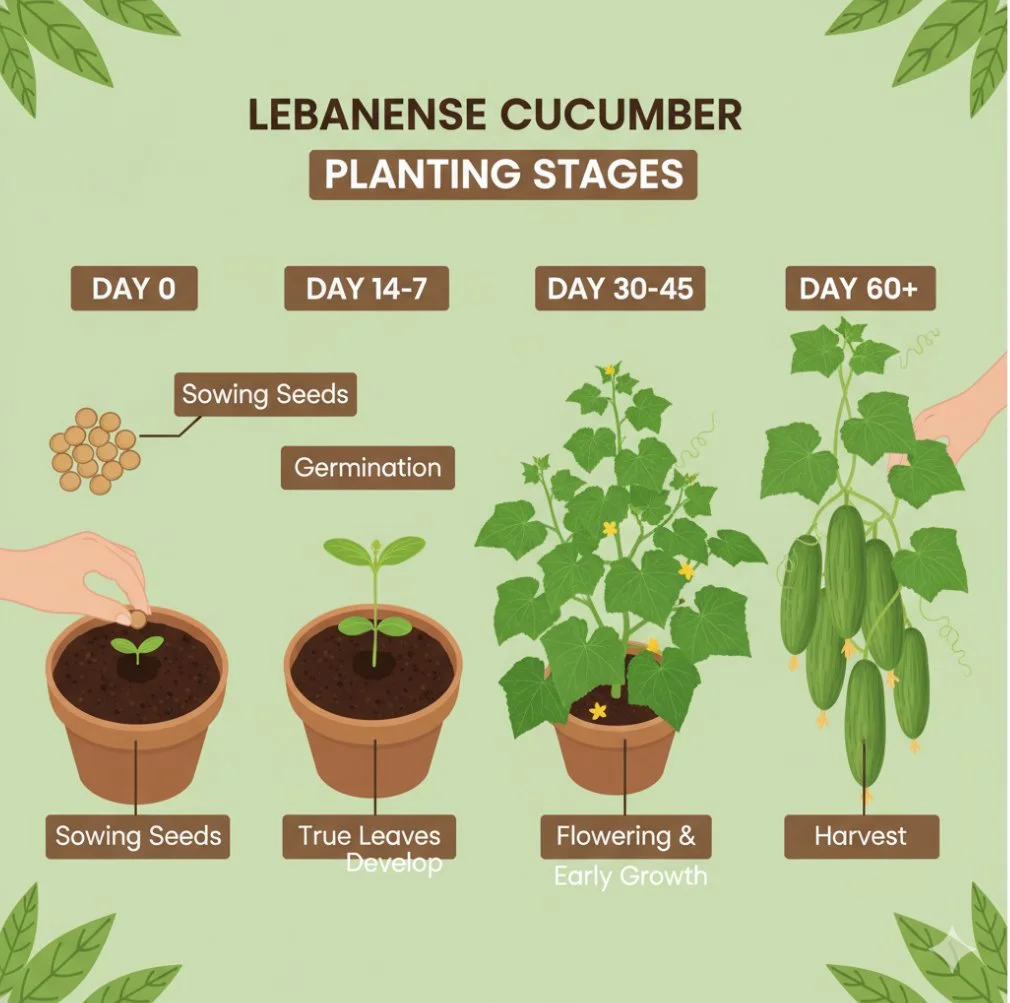
• Cucumber timeline from seed to harvest
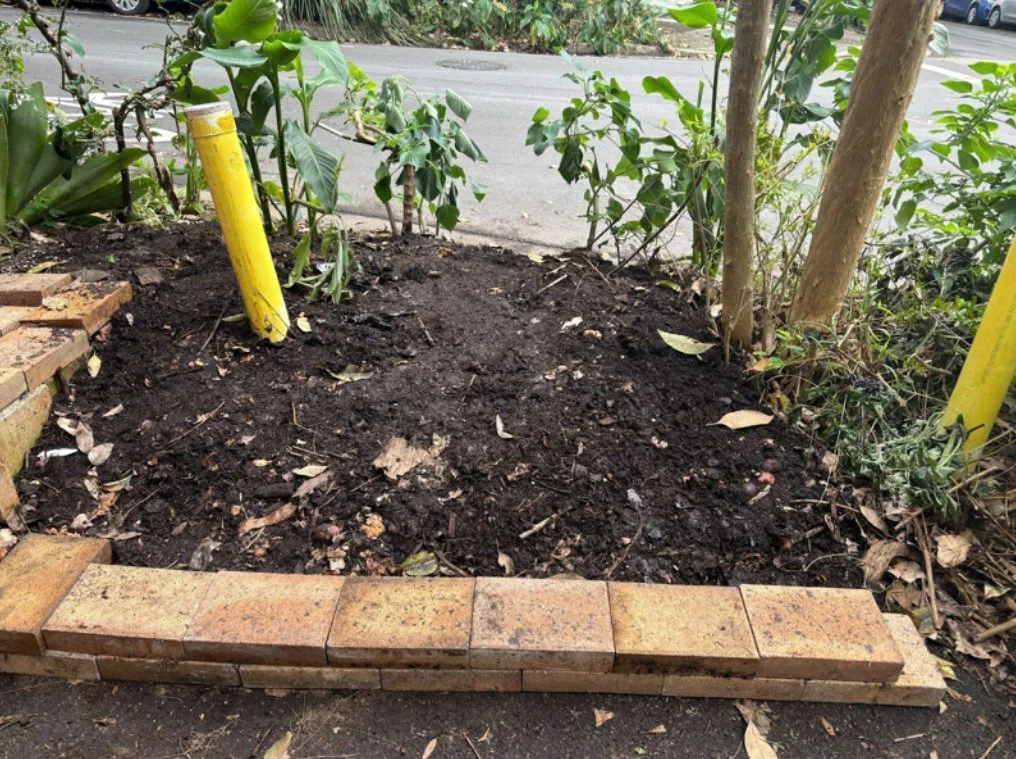
• This is the garden bed we made where we planted our Lebanese cucumbers
SEPT - 10 :
Before planting, we cleared out sticks, old roots, and any leftover debris to create a clean and healthy growing space. Once the area was cleared, we added nutrient-rich soil, straight from Michael’s Coolseat, to give the cucumber plants the best possible start. The soil mix is designed to hold moisture while still draining well—ideal for helping young seedlings establish strong roots. With the bed prepped and ready, we planted our Lebanese cucumbers and are now monitoring their growth.
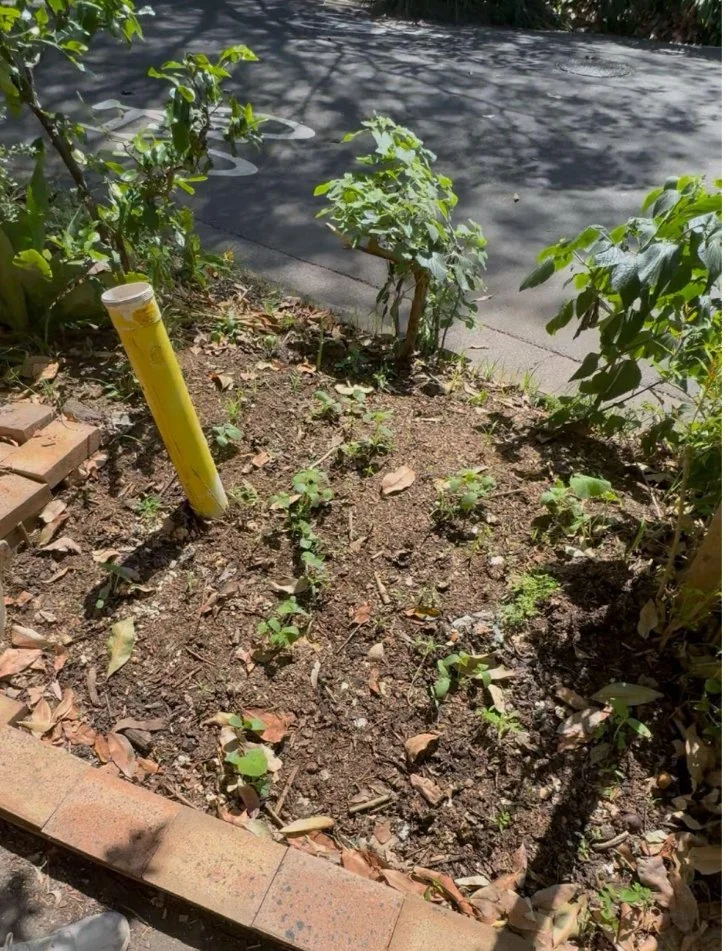
• Stage Two: Seedling Phase
SEPT - 30 :
Twenty days after planting, our Lebanese cucumbers have started to make great progress! The seedlings have grown steadily, showing strong green leaves and beginning to spread across the bed. It’s been exciting to see how quickly they’ve adapted to the soil and sunlight, especially after all the preparation that went into setting up the bed. We’ve been keeping the soil moist and making sure the plants get plenty of sun each day. So far, they’re healthy and thriving — a great sign that our work with Michael Mobbs’ urban garden project is paying off.
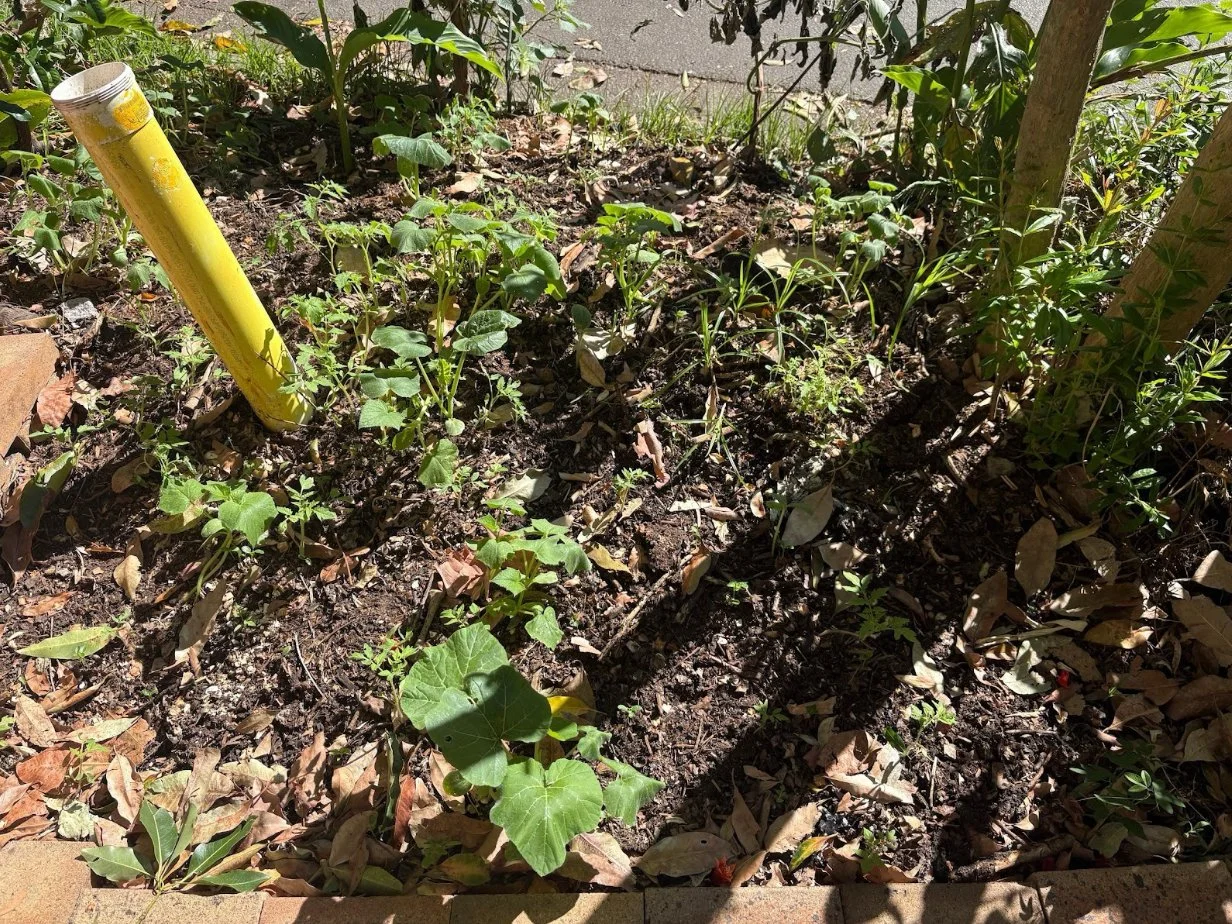
• Stage Three: The Growth Phase
OCT - 13 :
We are about halfway through the project and have noticed tremendous levels of growth since we originally started. This is a good sign that our cucumbers are receiving enough light and water to continue their growth. We are hoping in the coming weeks to notice small flowers that will initiate the pollination process where they will develop into fully grown cucumbers.
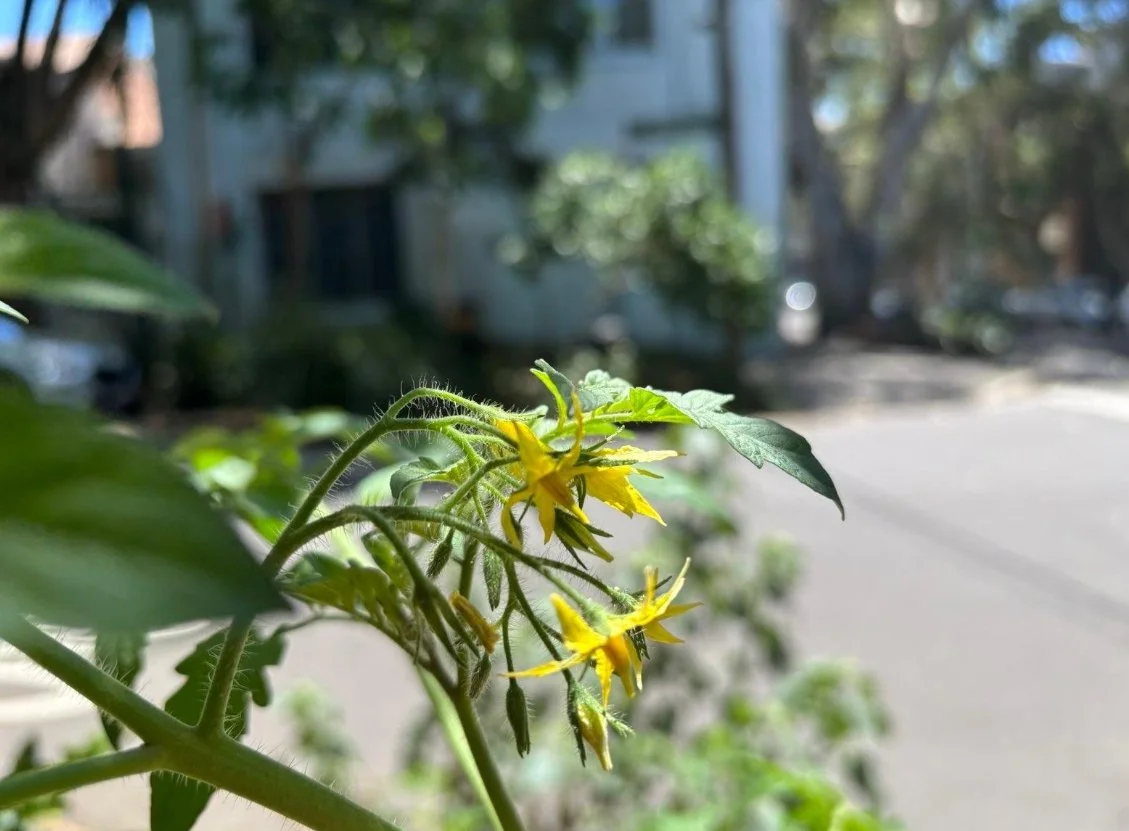
• Stage Four: The Floral Phase
November 5th :
Our Lebanese cucumbers have now reached the floral stage, the final step before harvest. Over the past weeks, we’ve seen tremendous growth as the plants have developed large, healthy leaves and begun producing small yellow flowers — a clear sign that cucumbers are starting to form. This stage marks the shift from leafy growth to fruit production, so we’ve been keeping the soil healthy and ensuring the plants get plenty of sunlight and water. With the warm weather helping them thrive, we expect to see young cucumbers developing soon and are excited to be nearing the harvest phase.
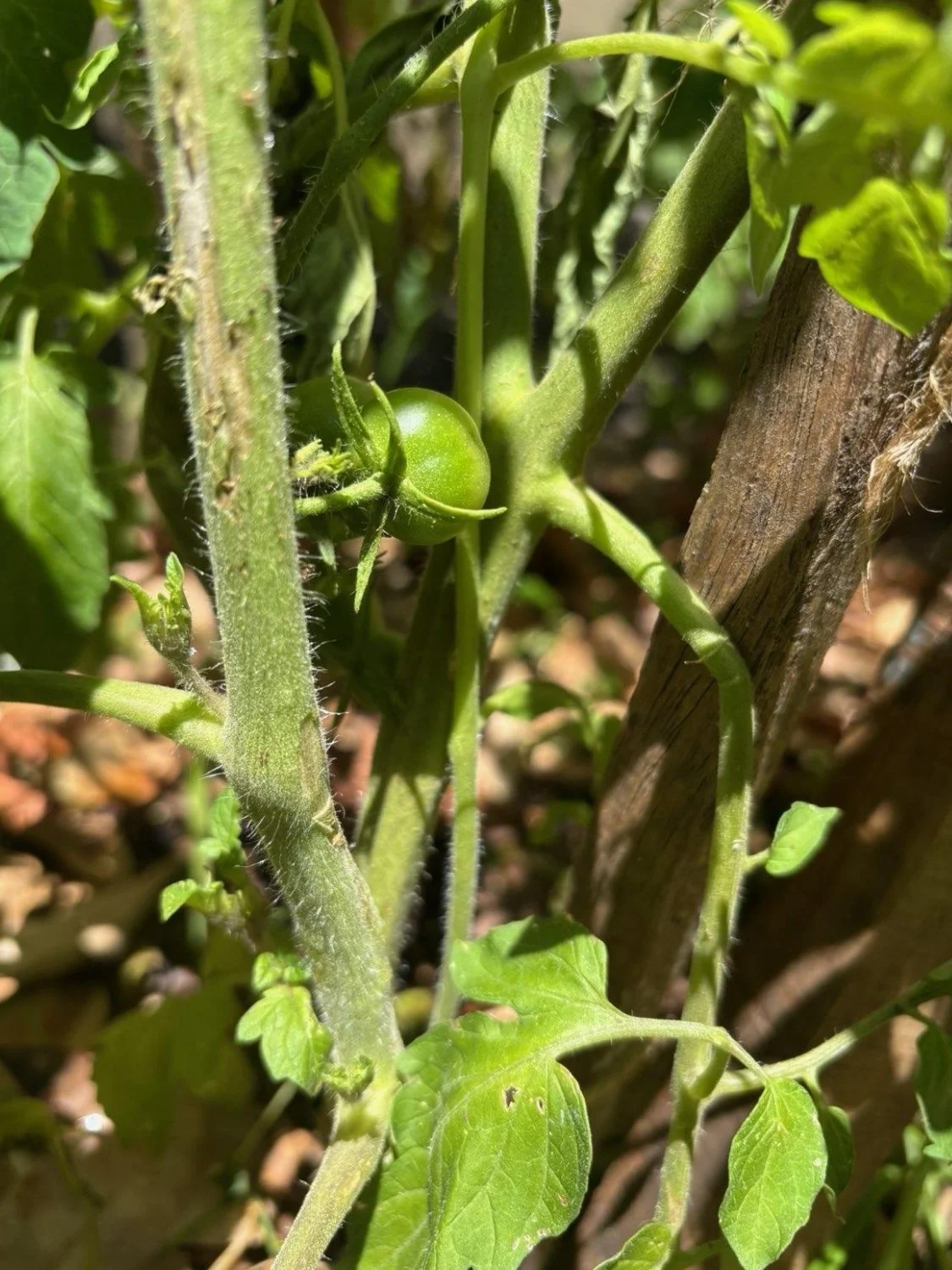
• Aaaahh - sweet - little cucumbers appearing
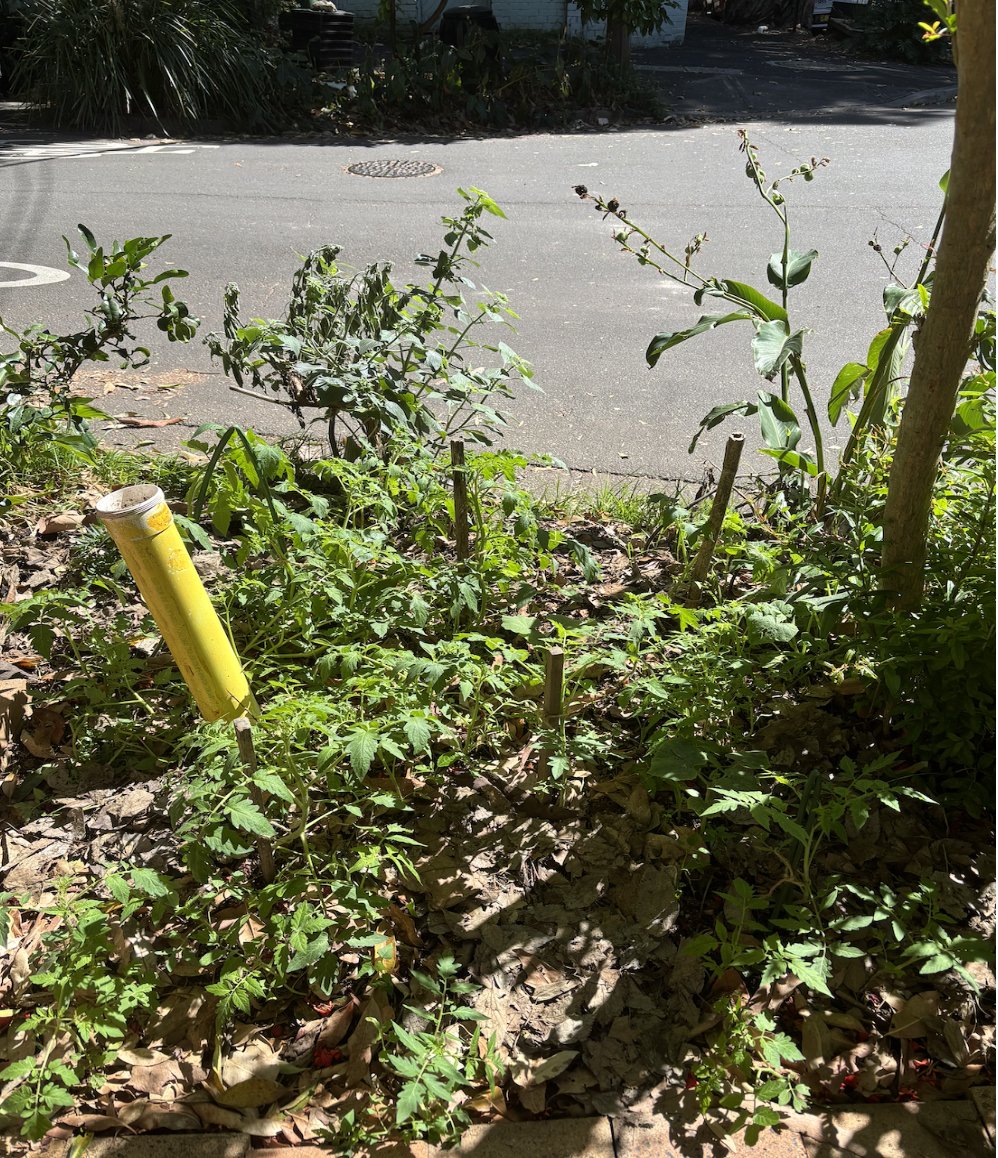
• Wooden stakes to support the growing plants
November 5th :
Today we also added wooden stakes to support our growing Lebanese cucumber plants. We carefully tied the plants to the stakes with soft ties, making sure they’re secure but not too tight so the stems can still grow freely without being choked. This extra support will help the cucumbers grow upright and prevent the vines from bending or breaking as they get heavier. We also placed a layer of fallen leaves around the base to help the new soil retain moisture and stay cool, which protects the roots and reduces how often we need to water. The plants are looking strong, and this step should help them stay healthy as they continue developing.
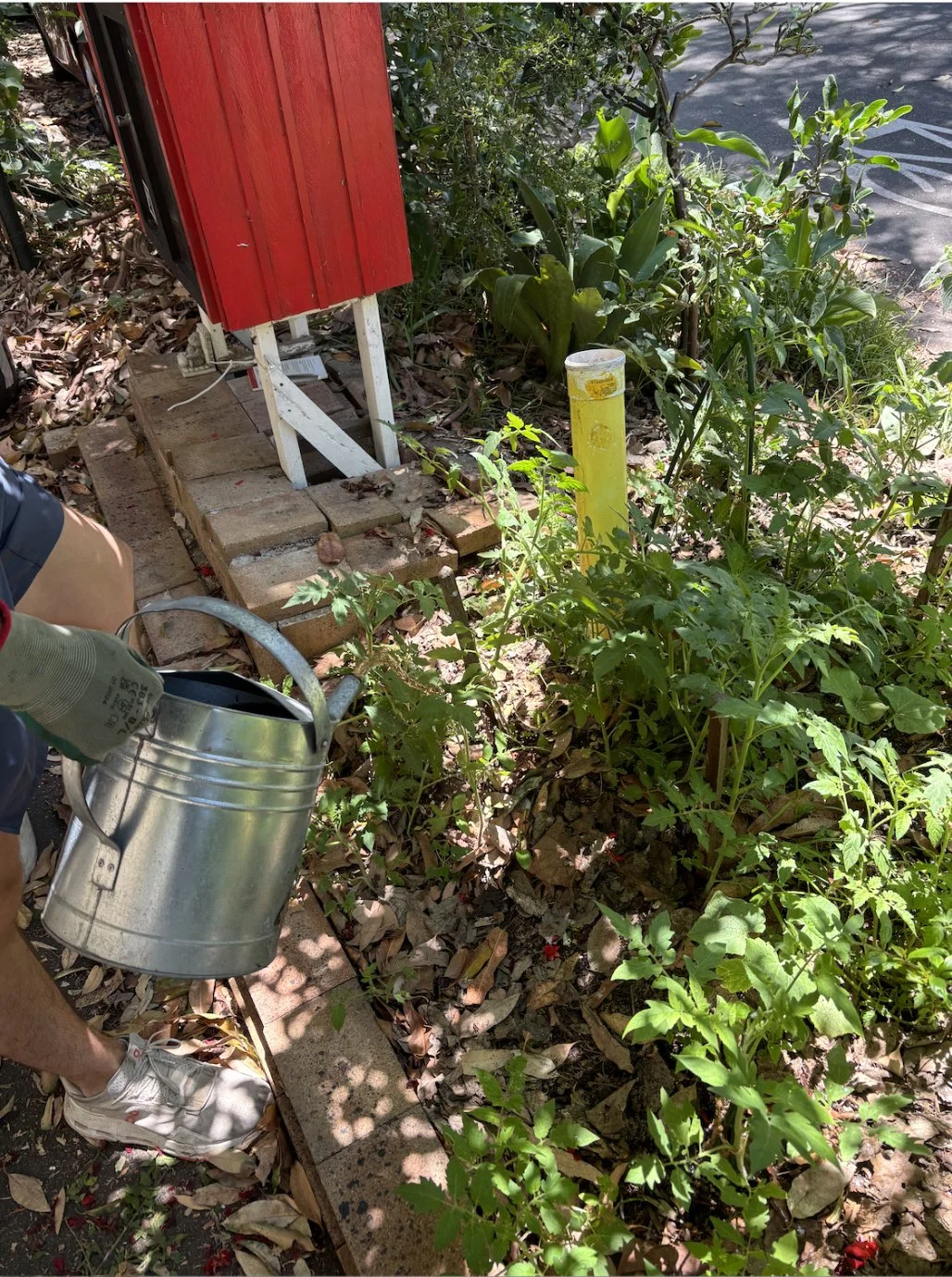
• Water = cucumbers to harvest; no water = no cucumbers
Water plays a vital role in the production of all types of food.
In Michael’s book about food, Sustainable Food, he explains that even a simple breakfast for one person can require nearly one thousand litres of water to grow and harvest its ingredients.
In contrast, our cucumbers use far less water thanks to the strategies and processes we’ve implemented. We have done a rough estimate of how much water it takes to grow a single cucumber.
We estimated that there are about 7 cucumbers for each plant, we then divided that number by the total amount of water we have used, which is roughly 130 litres.
We have estimated that it takes about 18.5 L to grow a single cucumber.
Reducing water usage is a common trend for Michael and his sustainable practices as he has implemented sewage and rain water re-use systems in his house which is off-grid in the centre of Sydney, a 20 minute walk from the central business district. All water and energy is from the sky and the sun. The coolseats incorporate Waterups systems in raised garden beds to reduce water time and water amounts by 80%.
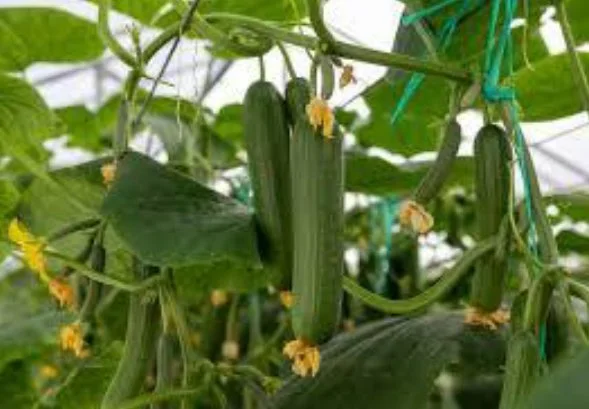
• Ripe cucumbers ready to pick
Once the flowers are fully developed, it won’t be long before they’re pollinated and begin producing cucumbers like those shown in the photo above. From that point, we’ll be able to collect our harvest and begin the process again.
Stage five: Harvest Phase
Predicted Day of Harvest: ~ December - 7
We expect locals will be able to harvest our cucumbers this month of December.
We leave Australia to return to the United States in the coming days and will miss the harvest (and Australia).
This cycle represents the sustainable food loop that Michael emphasizes through his Coolseat project. By transforming food waste into nutrient-rich soil, we can lower our carbon footprint, combat urban heating, and support local food production that benefits the community. Overall, this project has provided us with a valuable, hands-on opportunity to experience how simple, sustainable systems like street gardening where we live can make a real, and edible, difference in creating a more self-sufficient and environmentally conscious future.
by
Michael Miniotas, Will Brandt